
Paul Focus filters


-
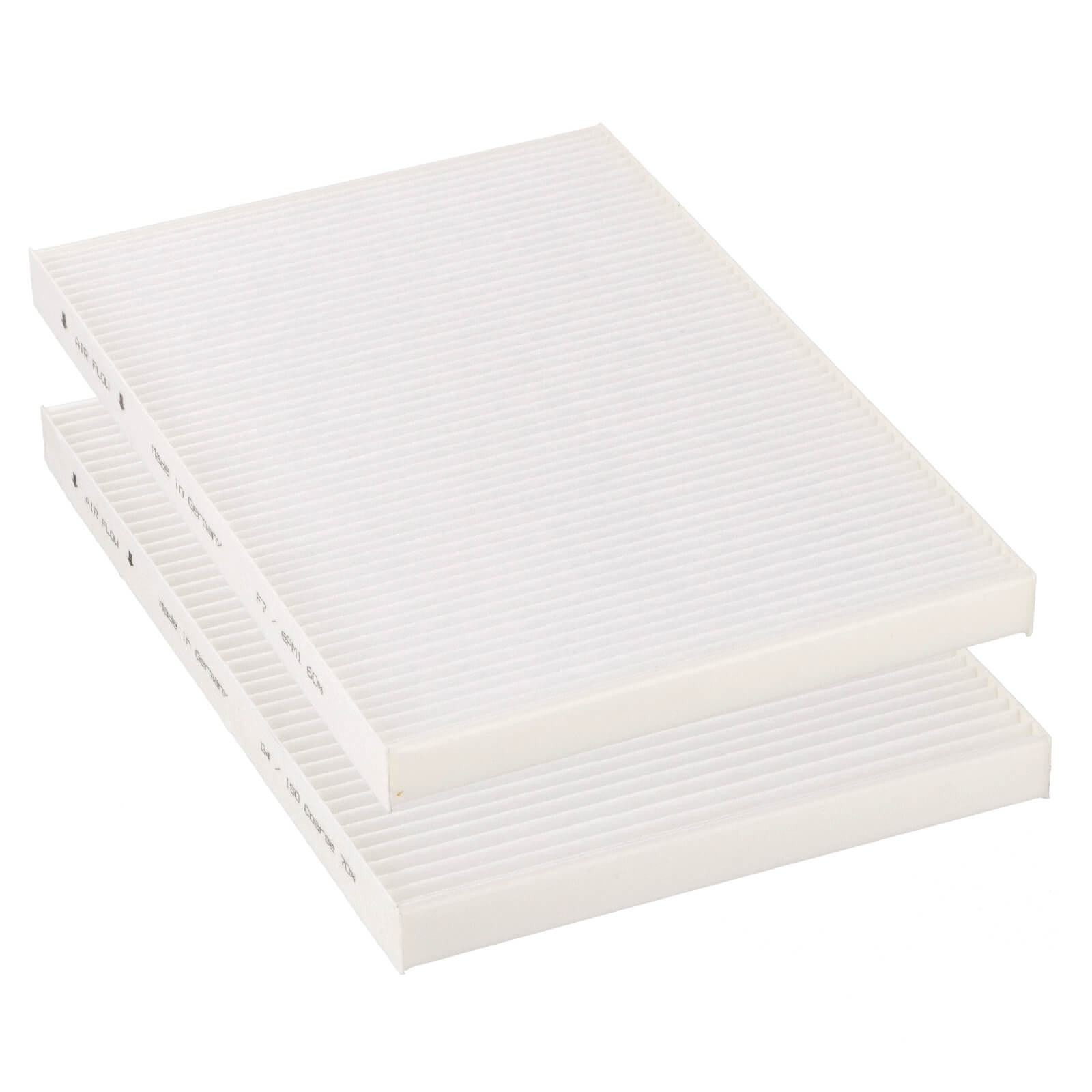 House brandExtract filter size: 275x187x20 mmSupply filter size: 275x187x20 mmFilter class (EN779): G4+F7Filter quantity in a set: 2 filtersProtection level
Filter protection level indicates efficiency in blocking particles or contaminants, varying by standard and application.
BasicGeneral dust and particle filtration
Pollen and moldCaptures pollen, mold spores, and other allergens
Smog and bacteriaProtects against allergens and urban pollution
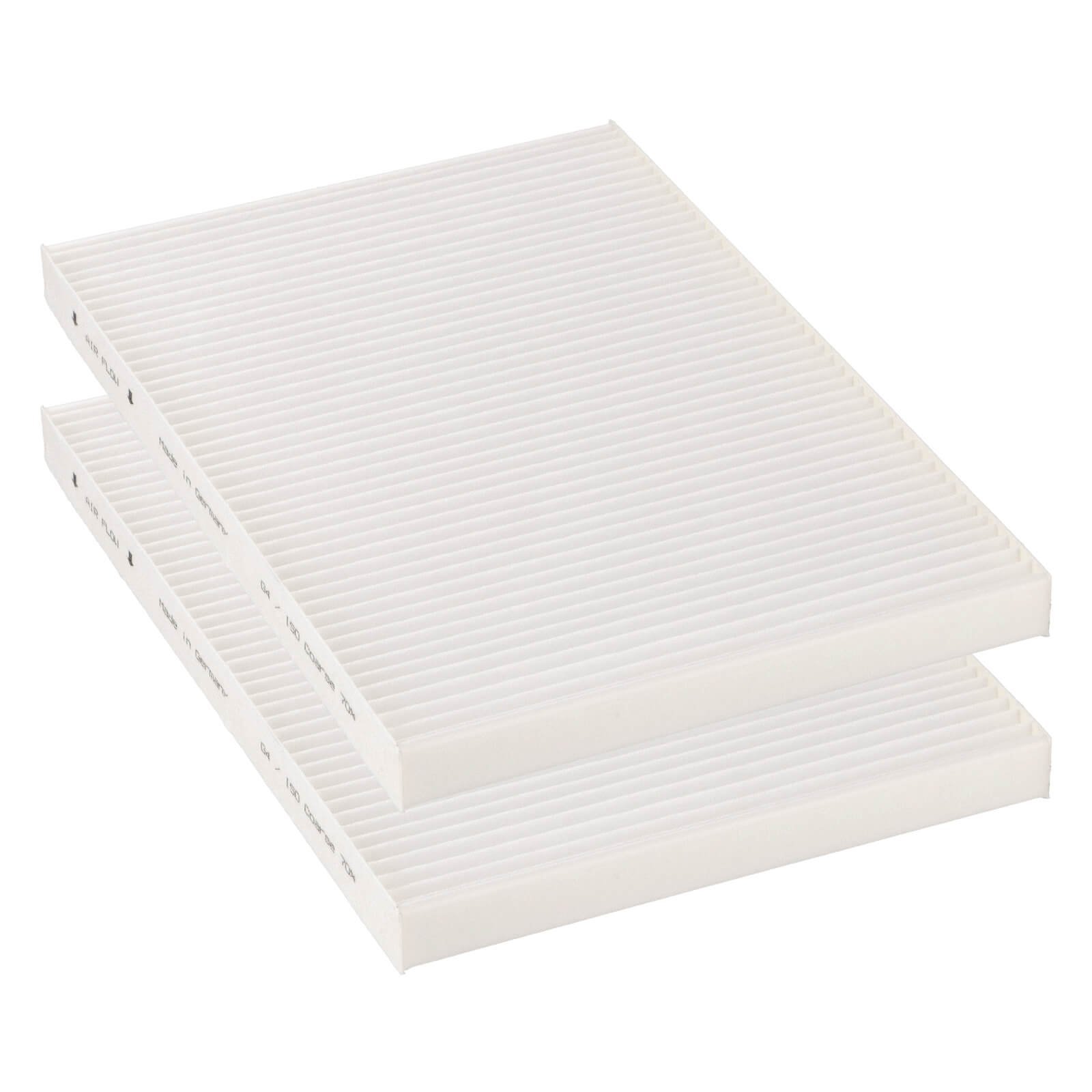 House brandExtract filter size: 275x187x20 mmSupply filter size: 275x187x20 mmFilter class (EN779): G4+G4Filter quantity in a set: 2 filtersProtection level
Filter protection level indicates efficiency in blocking particles or contaminants, varying by standard and application.
BasicGeneral dust and particle filtration
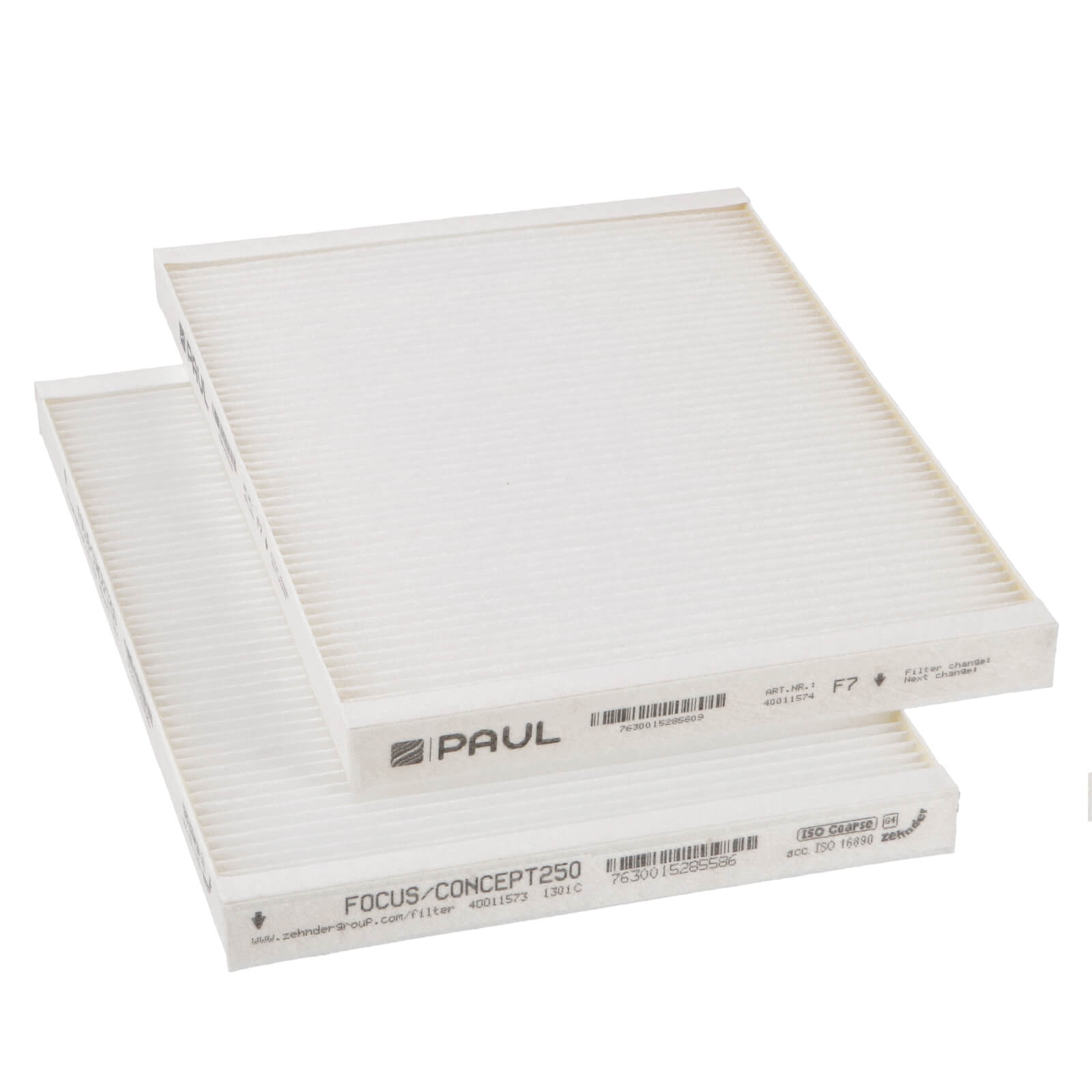 OriginalExtract filter size: 275x187x20 mmSupply filter size: 275x187x20 mmFilter class (EN779): G4+F7Filter quantity in a set: 2 filtersProtection level
Filter protection level indicates efficiency in blocking particles or contaminants, varying by standard and application.
BasicGeneral dust and particle filtration
Pollen and moldCaptures pollen, mold spores, and other allergens
Smog and bacteriaProtects against allergens and urban pollution
1-3 of 3Customer Reviews
 The experience was seamless, they communicated well, and I got what I ordered quickly. I also found a product that I didn’t know existed, and ordered it as well. All in all, an excellent experience!
 Steve Schafer
Trustpilot review
Top, fast shipment, good productTim SoenenTrustpilot review
Get what I ordered, cheaper than in my country (post service included).MatejTrustpilot review
Very good service! A pleasant shopping experience.Peter PostruznikTrustpilot review
Everything was ok but it took like a week to receive the order when it appeared as completed in the status. Maybe more reliable information on the delivery process would be appreciated.Toni AlmansaTrustpilot review
Most important: No fake shop 🙂 (i wos looking for an impressum and country of operating headquarters). Summary: Fast delivery. Moderate price. Good Quality. Quick and easy purchase. Good online-Shop.Hans-dieter TinhofTrustpilot review
Very good product and good priceCARLOS MARTINSTrustpilot review
Need Help? Start Here.
We’ve gathered answers to the most common questions about our products and services. If you can’t find an answer here, please contact us directly.
What filter class is recommended for Paul units?

It depends on the model. The Paul filter sets we stock come in these combinations:
- Novus 300/450 and Focus 200 — G4+G4, or G4+F7 with a fine F7 (ePM1) supply filter
- Climos (F) 200 — M5+M5, or M5+F7
Because Passive House buildings get all their fresh air through the MVHR unit, the version with the F7 supply filter is usually the better choice for indoor air quality.
Why is Paul associated with Passive House ventilation specifically?
Paul Wärmerückgewinnung is a German pioneer of ventilation systems designed for Passive House and low-energy buildings, with several unit series built around very high heat-recovery efficiency. Depending on the model, Paul units use G4, M5 and F7 filters.
How do I identify my exact Paul model (e.g. Novus, Focus, Climos)?
Two pieces of information on the unit's front panel confirm your exact Paul model:
- The series name, such as Novus or Focus
- The longer alphanumeric model code, which specifies airflow capacity
Both help match you to the correct filter set, especially where multiple airflow variants share a series name.
Do Paul Novus and Focus models use the same filter size?
No. The Focus 200 takes its own filter size, while the Novus 300 and Novus 450 share one set. The Climos (F) 200 uses a different size again. Check the series name and model number on the unit before ordering, then choose the G4+G4 or G4+F7 version (M5+M5 or M5+F7 for Climos).
How often should Paul filters be changed in a Passive House?
Check them every 3 months and replace them at least every 6 months. In a Passive House the MVHR unit supplies all the fresh air, so a clogged filter shows up quickly as stuffier air and more fan noise. Change the supply filter sooner during pollen season or if you live near a busy road, and keep a spare set at home so you never run the unit on saturated filters.
Our Paul unit is in an airtight new build — is ePM1 50% enough, or should we go finer?
For most households it is enough, and changing it on time matters more than making it finer. In an airtight modern Finnish house practically all the fresh air arrives through the ventilation unit, so the supply filter is the only barrier between outdoor air and your rooms — which argues for keeping it fresh rather than for making it denser. Finnish guidance sets ePM1 50% as the level for living spaces in normal outdoor air. Going finer raises the pressure drop and loads faster, so it earns its place mainly where the outdoor air is genuinely worse — a busy road — or where symptoms persist with a clean standard filter, and only if the unit's fan capacity allows it.
Still Have Questions?
Support details to capture customers that might be on the fence.
Contact Us Now


